
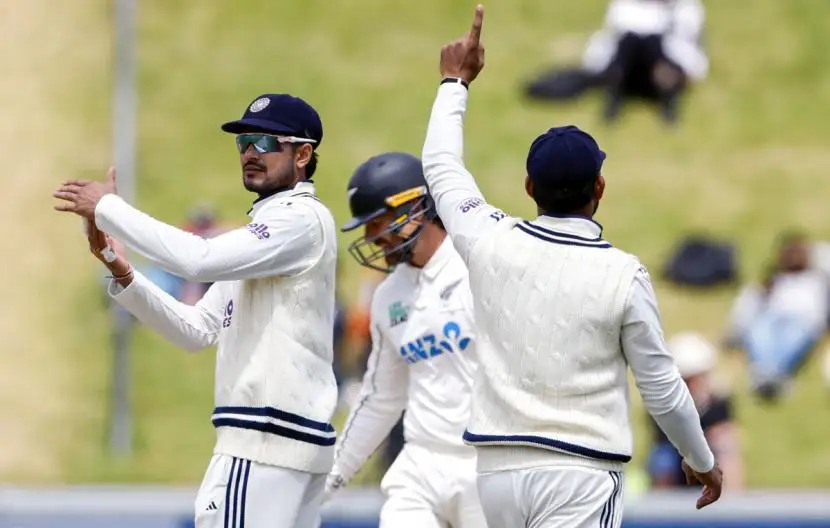
India captain Shubman Gill admitted that leaving Mohammed Siraj out of the playing XI for the first Test against New Zealand was a very tough decision. The match ended in a draw in Wellington, with India managing just five wickets in New Zealand's second innings despite declaring their first innings at 720/9.
Gill also raised concerns over the quality of the Kookaburra ball and the continued ban on using saliva to shine it, saying these factors made things difficult for the bowlers. He pointed out that the ball became soft within 25-30 overs, making it difficult to generate movement and take wickets.
"If there is no help from the wicket, and on top of that, the ball has become soft, then it becomes very difficult for the bowlers to take wickets," Gill said. He also questioned why the saliva ban, introduced during the Covid period, was still in place, adding, "It's been seven-eight years and I still don't understand why they are not allowing it."
Gill Explains Decision to Drop Mohammed Siraj
Gill admitted that dropping Siraj was difficult because of their close friendship but maintained that India selected the best bowling attack for the conditions. "Siraj is a great player and a great bowler who has done very well for India. But, you know, before all of that, he's a really good friend of mine. So leaving him behind was actually a very tough decision for me as well," he said.
Gill Defends Decision to End the Match in a Draw
Gill also explained India's decision to shake hands with New Zealand batters Daryl Mitchell and Glenn Phillips during the final hour. He said the fast bowlers had already bowled nearly 50 overs and there was little chance of getting wickets on a flat surface. "We tried all the things, all the plans that we had thought of and they executed it. But there wasn't enough in the wicket and, you know, we thought extra ten or 15 overs isn't going to do anything," Gill concluded.