
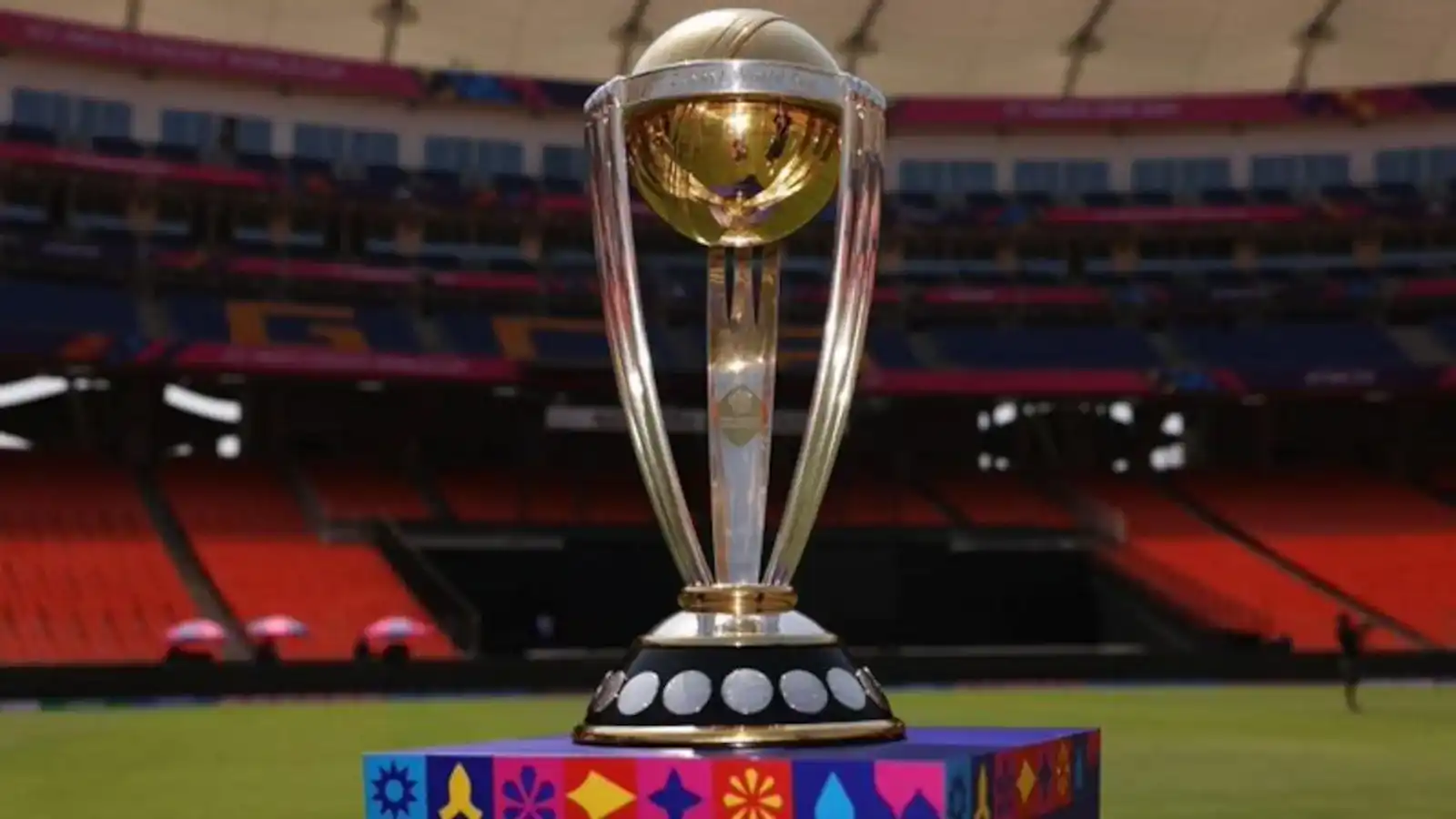
In a massive change to the qualification process for the 2027 ODI World Cup, the International Cricket Council (ICC) has decided to do away with the Super Six stage that featured in the previous three editions of the qualifier. As per the latest format, ten teams will compete in a shorter tournament in February-March 2027, with a knockout system replacing the Super Six round. Under the previous format, the ten participating teams were split into two groups of five.
Following the group stage, the top three sides from each group progressed to the Super Six phase, where they competed for a place in the top two positions. The tournament had 34 matches, with the two highest-ranked teams securing qualification for the ODI World Cup. However, the 2027 edition will have 23 matches. Following its meetings in Bali on Sunday, the ICC confirmed that the ten teams would be divided into two groups of five. But this time only the top two teams from each group will advance to the semi-finals.
The winners of the two semi-finals will then meet in the final. As confirmed by the ICC in July for a major overhaul of the 2027 ODI World Cup structure, winning the qualifier will guarantee a direct place in the 14-team World Cup, and the teams finishing second, third and fourth in the qualifier will also have an opportunity to reach the mega event. They will enter the opening phase of the World Cup (Super Series), where they will compete for the remaining qualification spot.
The best-performing team in this stage will join the directly qualified sides in the main tournament. Six of the ten participants for the 2027 Qualifier have already been confirmed. West Indies and Ireland have sealed their places through their positions in the ODI rankings, while the United States, Netherlands, Scotland and Oman have booked their berths through their performances in CWC League 2. The remaining four spots will be decided through the Qualifier Playoff, which will be held in Nepal next month.